
How Artificial Intelligence is Impacting the Physiotherapy Industry


Almost everyone uses artificial Intelligence (AI) now. It’s changing the way we shop, work, and communicate. And it’s now moving into healthcare, taking notes and supporting imaging diagnoses. While physiotherapy has traditionally been a highly hands-on profession built around clinical expertise and patient relationships, AI is beginning to influence the way physiotherapists assess, monitor, and support recovery. It’s not replacing physiotherapists, but rather providing new tools to help improve patient care. So, how is it actually being used?
The Use of AI in Physiotherapy

Smarter assessments and movement analysis
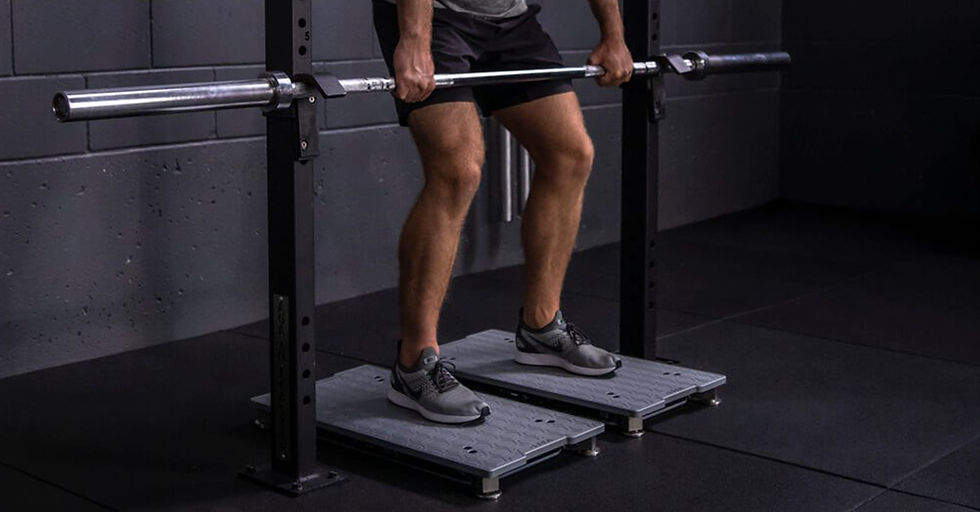
Movement analysis is one of the most promising applications of AI in physiotherapy. Physios can use advanced software, cameras, sensors and machine learning to assess how a person moves, identifying patterns that may otherwise be difficult to detect. And this can help in a range of different scenarios, whether patients are recovering from injury or surgery or athletes are training for demanding events such as HYROX competitions. It provides objective data on various tailored criteria that can improve recovery, reduce the risk of potential injury, or enhance performance. So, for a physiotherapist treating a person with a HYROX injury, for example, this might mean that as well as addressing the current injury, AI can help to identify other potential weaknesses before they develop.
Personalised rehabilitation programmes
So many different factors influence patient recovery. And while an experienced physio will understand this and be able to tailor treatments accordingly, AI systems can analyse much larger amounts of patient data to help create more personalised exercise programmes. In fact, some digital rehab platforms are already able to adjust exercises based on patient feedback and progress, helping to make sure programmes stay challenging without becoming overwhelming. The aim is to improve patient engagement and make sure that people are motivated to stick to treatment plans to improve rehabilitation.
Supporting remote physiotherapy
The rise of virtual healthcare has increased dramatically in recent years, and AI-powered rehab tools are supporting that. Particularly, the platforms that can monitor exercise technique remotely and provide real-time feedback when a movement is performed incorrectly. This is a complete game-changer for patients who struggle to attend regular appointments. Remote monitoring can help physiotherapists to track progress, review performance data, and make adjustments where necessary. It’s not a substitute for face-to-face appointments, because you still need trained physios to interpret results, understand individual circumstances, and provide reassurance when patients need support. But it can work well when combined with clinic visits.
We still need people
AI is amazing, but physiotherapy needs more than guidance to be beneficial. You need communication, empathy, motivation, trust, and the crucial hands-on part of most treatments, which AI just can't deliver. Data is incredibly useful to an experienced physiotherapist, but their understanding of patient concerns, ability to adapt treatment plans based on changing circumstances, and empathy and encouragement throughout the process are invaluable and irreplaceable. So, rather than replacing physios, AI is something of a knowledgeable assistant. Useful but not essential.
Looking ahead
As time moves on, we’re likely to see a greater use of various technologies in physiotherapy, and AI will be among them. Helping to improve assessments, supporting rehabilitation programmes, and providing remote monitoring. But it’s not going to be taking over any time soon.
So, if you’re looking for a sports physio in London, AI apps and tools can be useful. But they can’t replace the human touch. And really, the best approach is to only use the AI apps recommended by your physiotherapist. That way, you’ll get the best of both worlds and enjoy the fastest recovery.
Are you looking for physiotherapy in London? Get in touch with Ultra Sports Clinic.


I read this article carefully and found many interesting points. The reading flows smoothly and never feels heavy or difficult. I used some of the information in this article in a recent discussion. It is not common to find articles that manage to cover this topic so well.
I joined a discussion about innovative digital health projects and how modern physiotherapy clinics integrate machine learning interfaces to track biomechanical movement diagnostics, and the topichttps https://tropical-casino.com/ came up during the clinical layout breakdown. Later that night I read the healthcare tech piece, and the straightforward UI details regarding real-time patient recovery analytics stood out immediately. The platform isn’t just about automating scheduling, but about expanding grassroots community engagement and giving certified physiotherapists a clear path to monitor adaptive exercise adherence. At first I thought it was just another promotional environment, but the scale and data-driven clinical vision showed it’s something different.
Great article highlighting how artificial intelligence is transforming the physiotherapy industry. The use of AI-driven assessment tools, personalized rehabilitation programs, and remote monitoring is clearly improving patient outcomes and efficiency for clinicians. It’s exciting to see technology supporting evidence-based care and reducing recovery times. As this field evolves, accessibility will also improve for patients worldwide. For those exploring healthcare tech services or even searching for character illustration near me, this innovation mindset is truly inspiring.